









- Pre-order
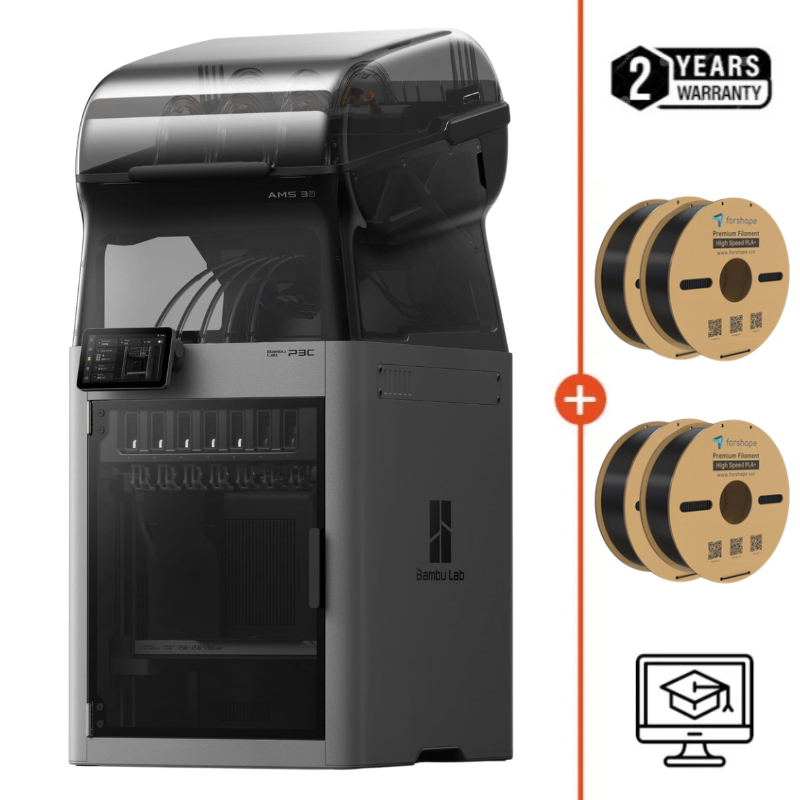
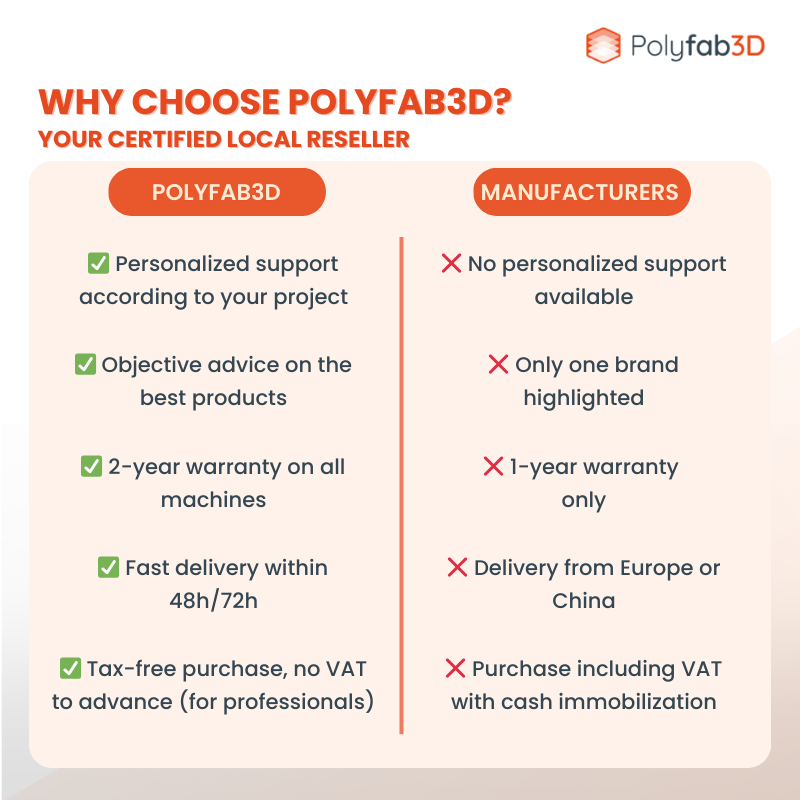
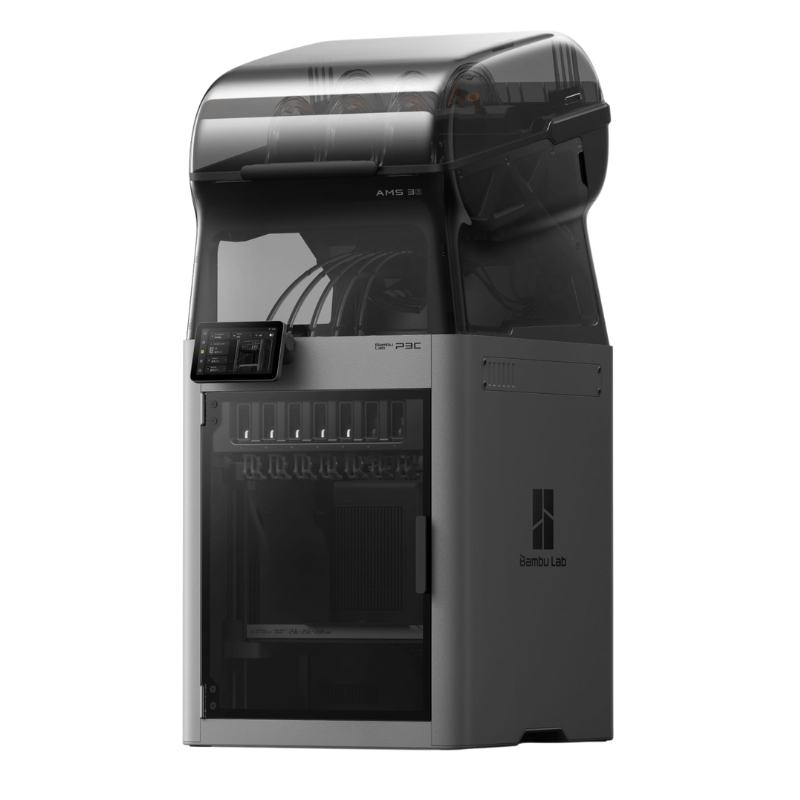
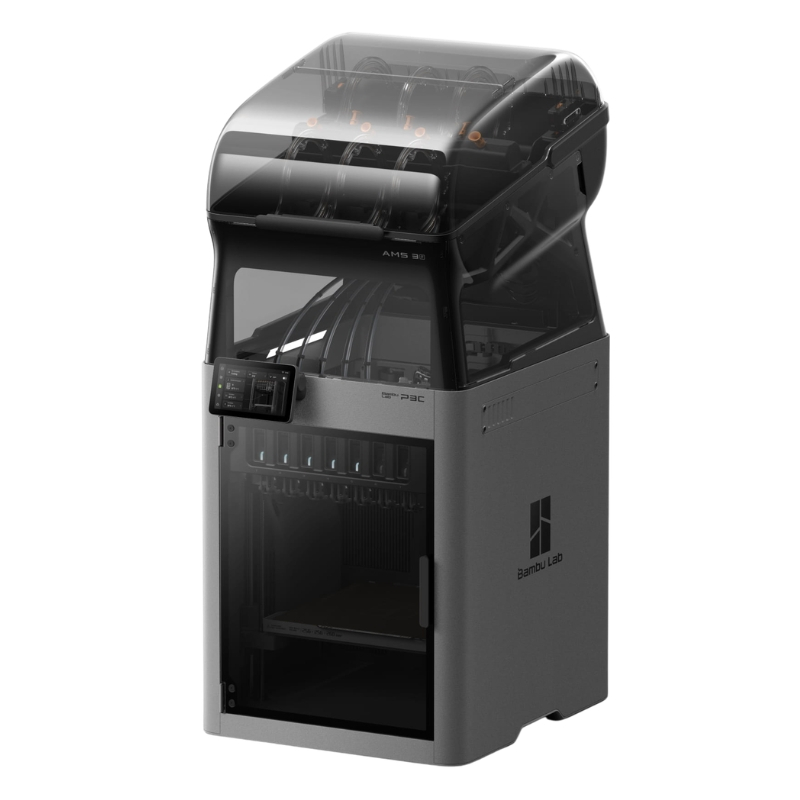
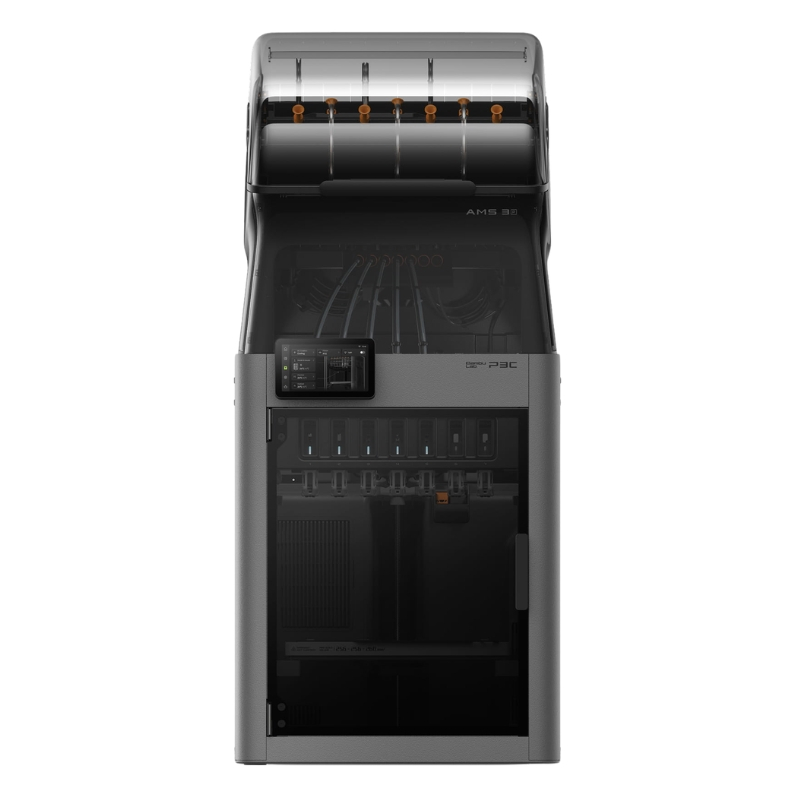
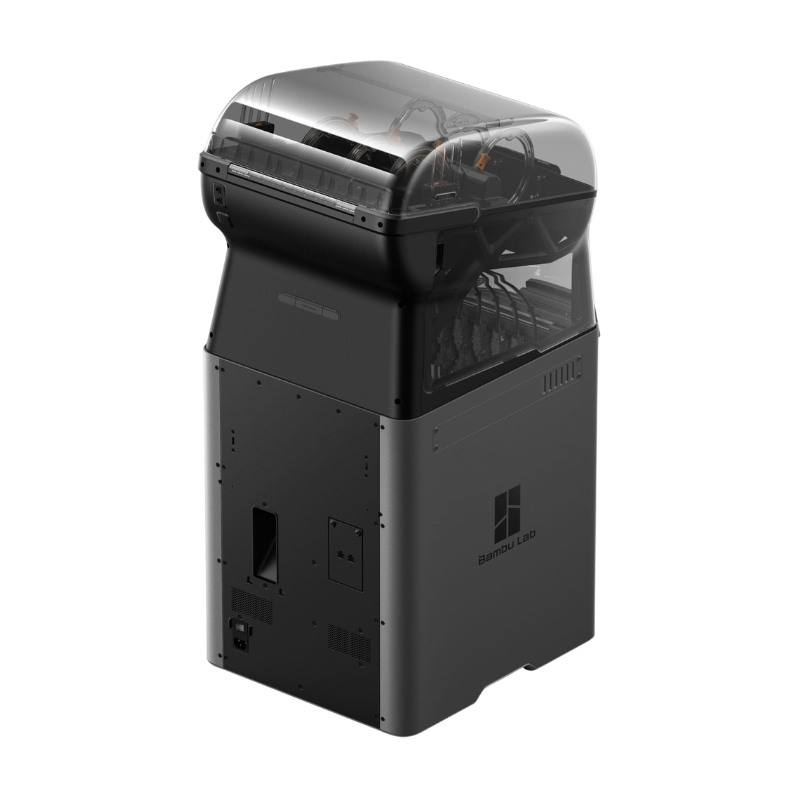
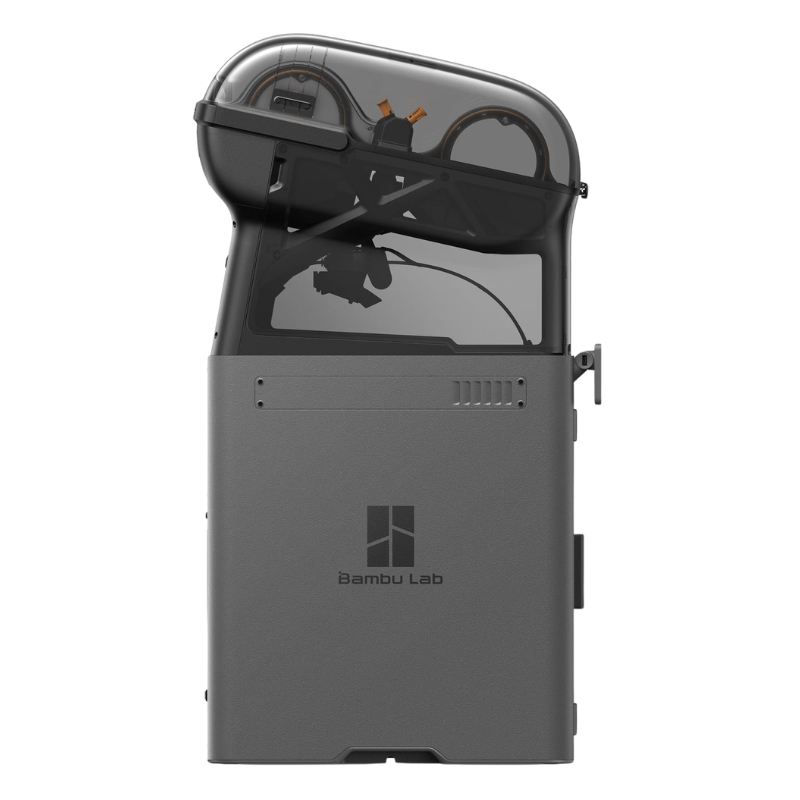
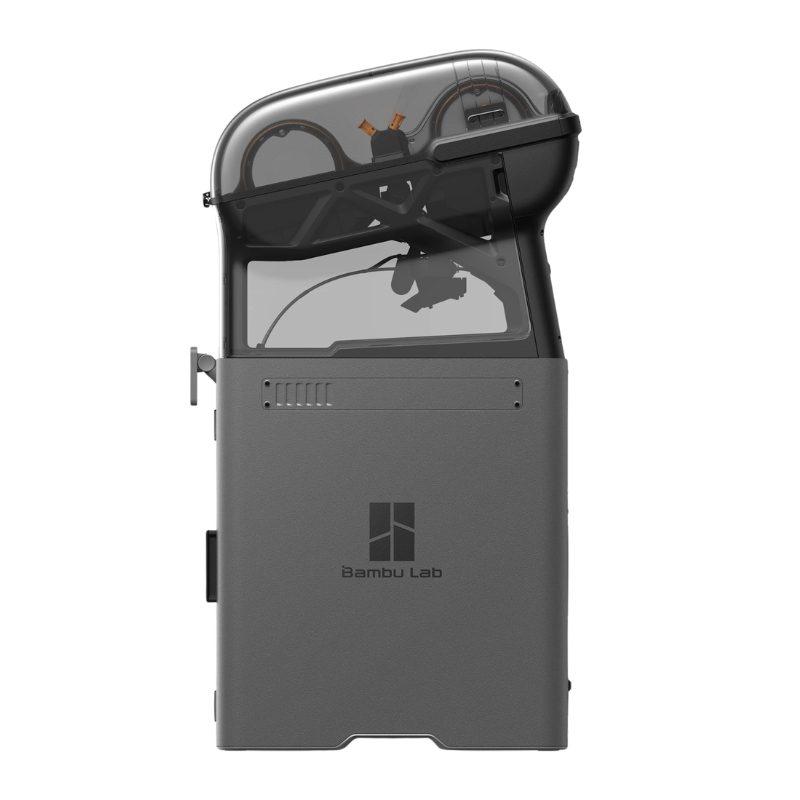


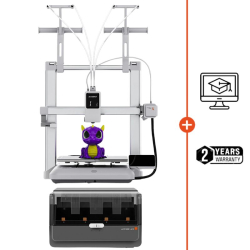
The Bambu Lab P3C is a multi-material 3D printer equipped with the 7-slot SwapTek™ system, capable of changing materials in just 6 seconds.
Combined with the integrated AMS 3P and FlexFeed extruder, it can combine multiple colors, materials and nozzle diameters in a single print. Compatible with TPU 75A thanks to a specific optional PrintTool, it also features a 256 × 256 × 260 mm build volume, a 300°C nozzle and automatic calibration.
✨ Exclusive: With every purchase, we offer a 2-year warranty (including for professionals) to help you get the most out of your equipment.
 Our experts are at your service to answer your questions and provide advice at info@polyfab3d.com.
Delivery within 48/72 hours
Order before 1pm. Same day shipping
Free delivery
Free delivery near you from €69.90
Premium support
Our teams are on hand to answer all your questions
Over 3500 products
A wide choice of products from the biggest brands
The Bambu Lab P3C is a machine designed to simplify the production of multi-colour and multi-material parts. Its architecture is based on the 7-slot SwapTek™ system, which automatically changes print heads in just 6 seconds. Each PrintTool has its own extruder and nozzle, reducing filament purging and making it easier to combine several materials in a single part.
Combined with the integrated AMS 3P and its FlexFeed extruder, the P3C combines versatility, automation and speed. It supports standard, engineering and flexible filaments, while offering advanced management of colours and nozzle diameters. An especially interesting architecture for prototyping, functional parts and complex prints.
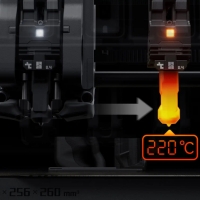
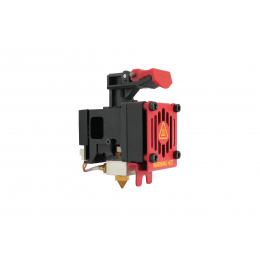
The SwapTek™ system features 7 slots for independent PrintTools. Each tool has its own extruder, heating system and nozzle.
Thanks to advance tool preheating, the P3C achieves a material change in just 6 seconds, without systematically purging the previous filament.
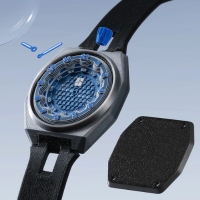
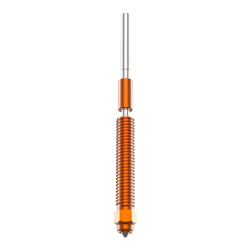
Each PrintTool can be fitted with a 0.2, 0.4, 0.6 or 0.8 mm nozzle. This modular design allows each tool to be adapted to the needs of the print.
This makes it possible to combine a fine nozzle for detailed features with a larger one for volume. The P3C can even use several nozzle diameters within the same part.
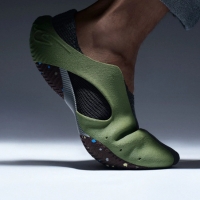
The FlexFeed extruder combines a brushless motor with a planetary gearbox and hardened steel gears to ensure controlled filament feeding.
With a dedicated 2.85 mm PrintTool and direct feeding, the P3C can print highly flexible TPU 75A, a material that is particularly difficult to extrude with conventional architectures.
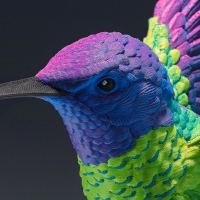
The five supplied PrintTools allow several filaments to be used simultaneously. The CMYKW palette combines cyan, magenta, yellow, black and white to expand the range of colour possibilities.
This combination makes it possible to create prints in a variety of colours without relying on numerous pre-coloured spools. The result depends on the profiles and preparation settings in the software.
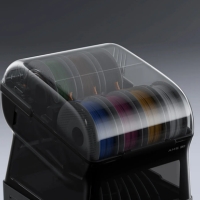
The AMS 3P features seven storage compartments built directly into the P3C. Each spool has its own feed path to keep different materials organised.
This enclosed design protects filaments from the surrounding environment and reduces the space required around the machine. Filament loading is still manual, unlike motorised AMS systems.
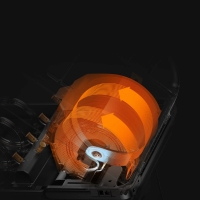
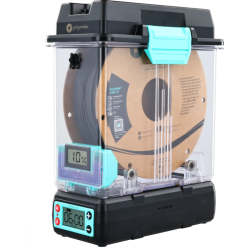
For moisture-sensitive materials, the AMS 3P can be fitted with an optional drying module. This module actively dries two spools simultaneously.
The temperature can reach 75°C to reduce moisture absorbed by the filaments. This is particularly useful for maintaining suitable printing conditions with engineering materials.
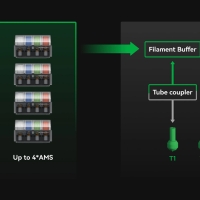
Storing spools directly inside the machine frees up workspace. The architecture also provides for connection to compatible external AMS units.
By connecting up to four additional AMS units via PrintTool No. 1, the P3C can manage up to 22 spools and colours. An expandable solution for complex multi-colour prints.
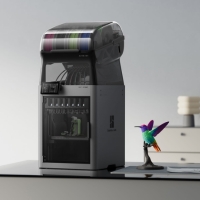
The SwapTek system distributes the different tools across a dedicated support. The active print head therefore benefits from an architecture optimised for fast movements.
The P3C reaches a maximum speed of 1,400 mm/s and an acceleration of 25,000 mm/s². These performance figures reduce travel times and help increase productivity.
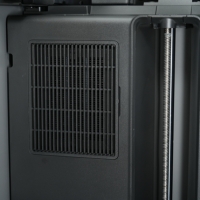
The P3C features auxiliary cooling and airflow management adapted to FDM printing requirements. Ventilation helps control how printed parts cool.
This airflow management makes it possible to adapt printing conditions to the materials being used. The enclosure remains closed but does not feature active chamber heating.
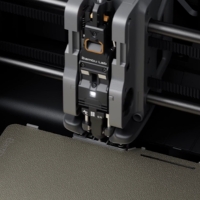
The print head reaches a maximum temperature of 300°C, while the heated build plate can reach 110°C. This allows the machine to process a wide range of materials.
Its hardened steel nozzles resist wear from abrasive filaments reinforced with carbon or glass fibres. Several diameters are available to adjust flow rate and precision.
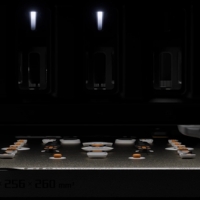
The Bambu Lab P3C offers a 256 × 256 × 260 mm build volume. This space is suitable for producing functional parts, prototypes and medium-sized objects.
This volume provides a good balance between machine footprint and manufacturing capacity. Its multi-material architecture also makes it possible to produce complex assemblies directly on the build plate.
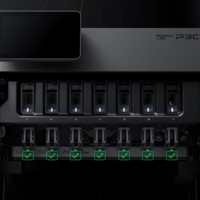
The P3C features full automatic calibration of the SwapTek system. This includes adjusting PrintTool alignment and offsets between the different nozzles.
This step is essential for achieving clean transitions between materials and ensuring accuracy in multi-colour prints. It reduces the need for manual adjustments before starting a print.
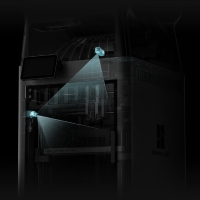
The integrated vision system monitors the printing process and uses artificial intelligence to identify several potential anomalies.
It can detect issues such as spaghetti defects, blockages and certain problems involving the purge chute. This monitoring helps reduce failed prints and filament waste.
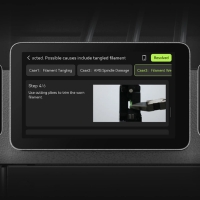
The HMS (Health Management System) analyses the machine's status and helps identify the source of errors encountered during operation.
With MiniWiki, error messages are accompanied by explanations and troubleshooting procedures directly on the screen. Users therefore have built-in assistance for resolving common issues.

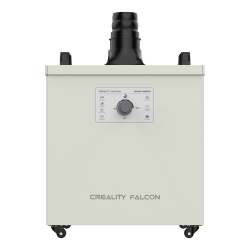
The P3C features an air filtration system combining a HEPA H11 filter and activated carbon. This combination helps capture particles and certain volatile compounds.
Filtration is a useful addition when printing materials that may release emissions. However, it does not replace adequate ventilation in the room where the machine is used.
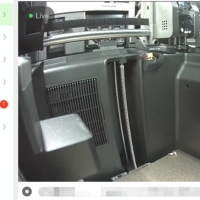
The Bambu Lab P3C features a 1080p monitoring camera that allows users to view the progress of a print without having to stay next to the machine.
Integrated into the Bambu Lab ecosystem, it makes remote print monitoring easier and can also be used to create timelapse videos, depending on the available features.
The Bambu Lab P3C is part of a software environment designed to simplify the preparation and monitoring of 3D prints. With Bambu Studio, users can prepare files, assign different materials to PrintTools and manage the settings specific to each print head. The software also supports multi-colour and multi-material configurations, including the use of several nozzle diameters.
The ecosystem is complemented by MakerWorld, which provides access to a library of ready-to-use models and print profiles, as well as Bambu Handy for monitoring prints remotely. This continuity between hardware, software and model library makes the P3C easier to get started with and allows users to quickly explore its capabilities.
The Bambu Lab P3C represents an interesting development compared with traditional multi-colour printers. Its SwapTek system genuinely changes the way complex prints are approached: having several independent print heads makes it possible to combine materials and nozzle diameters without the repeated purging associated with a single-nozzle architecture.
The combination with FlexFeed also opens up interesting possibilities for highly flexible filaments such as TPU 75A. However, it is worth remembering that the P3C is less suited to materials requiring a heated chamber. Despite these trade-offs, it is a particularly relevant solution for users who want to explore multi-material printing seriously without investing in an industrial machine.
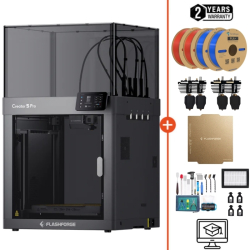
Order contents
Specifications for Bambu Lab P3C Combo
Technology / Product
Extrusion
Heated bed
Specific equipment
Software
Installation / Prerequisites
Aucun avis ne correspond à votre recherche.
Aucune question publiée pour ce produit.
Vous ne trouvez pas la réponse à votre question ?