
• 🎯 Services dedicated to professionals
  • 📦 Stock in Europe
  • 🚚 Ships within 24 hours
  • 🔐 Secure payments
  • 🔙 14-day return

3D scanning technologies

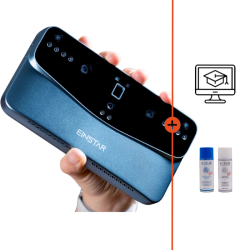
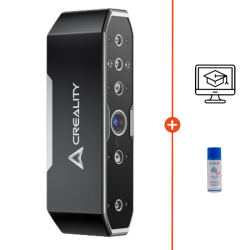
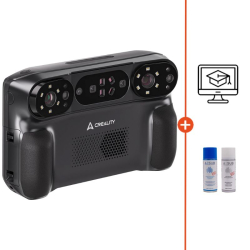
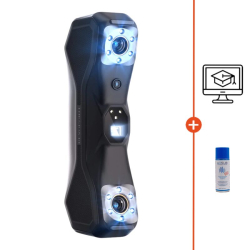
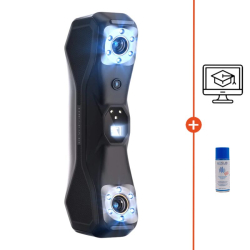
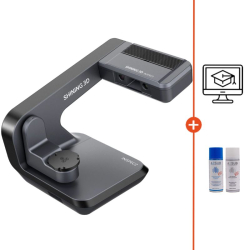
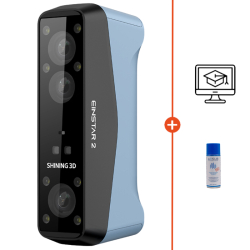
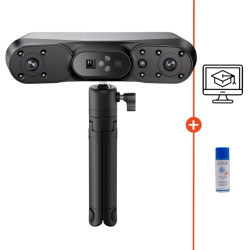
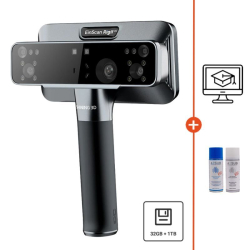
Structured light

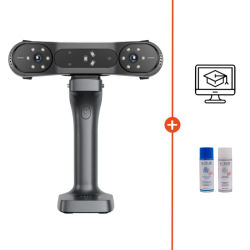
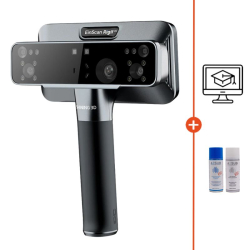
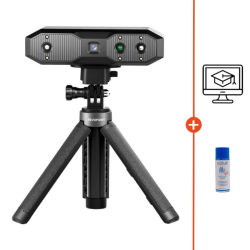
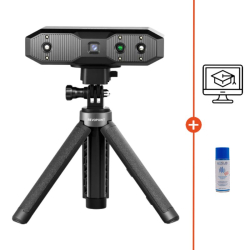
Einscan-SP V2

€2,290.00 excl. VAT €2,175.50 excl. VAT
In Stock
  • -5%

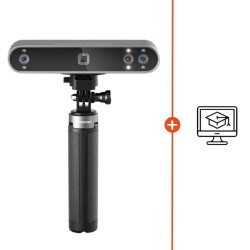
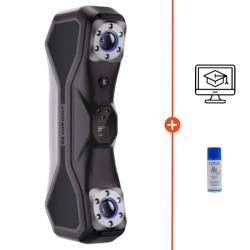
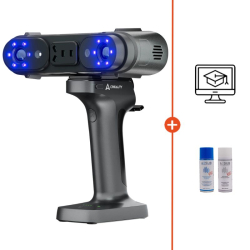
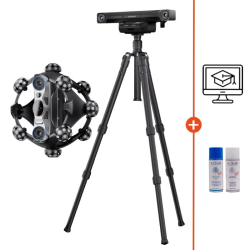
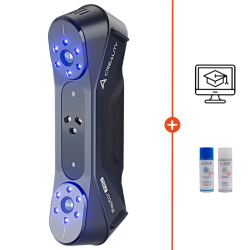
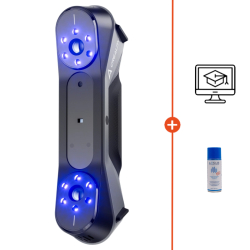
Laser triangulation

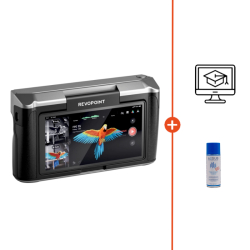
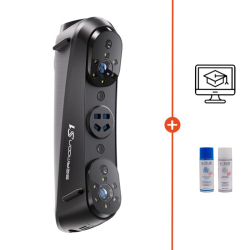
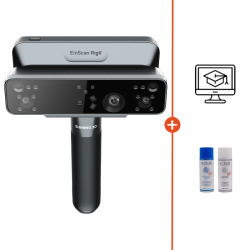
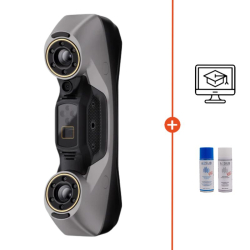
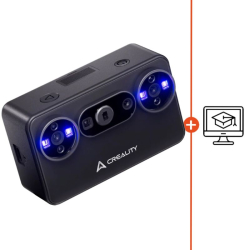
Infrared light

3D scanning technologies

3D scanning technologies are revolutionizing the way we capture, analyze, and reproduce the real world in digital format. Whether in industry, medicine, design, or archaeology, these technologies offer unlimited possibilities for fast and accurate modeling.

What is 3D scanning?

3D scanning is a process that converts a physical object into a three-dimensional digital model. This transformation is achieved through advanced technologies that capture the shape, texture, and sometimes the color of the object, to create an accurate digital representation.

Main 3D scanning technologies

Structured light technology

This technology projects a light pattern onto the surface of the object. The deformation of the pattern is analyzed by sensors to reconstruct the 3D shape. It is particularly suitable for objects with complex surfaces and fine details.

Laser technology (laser triangulation)

The laser scanner emits a laser beam that sweeps the object. By measuring the return time or reflection angle, it calculates the exact distance, capturing the object’s geometry with high precision.

Photogrammetry technology

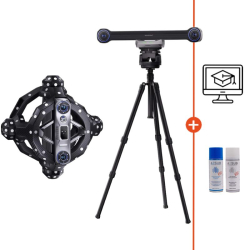
Photogrammetry involves taking several photos of an object from different angles and using powerful software to generate a 3D model. This method is widely used in archaeology, architecture, and industry due to its flexibility.

Infrared technology

Infrared scanners measure the time it takes for an infrared signal to return to the sensor. This technology is fast and effective for various applications, especially in industrial and medical environments.

Applications of 3D scanning technologies

  • Industry and engineering: for reverse engineering, quality control, and computer-aided design (CAD).
  • Medicine: for creating prosthetics, custom implants, and surgical planning.
  • Architecture and construction: for building modeling, topographic surveys, and renovations.
  • Design and additive manufacturing: in 3D printing, 3D scanners enable reproduction and enhancement of existing parts.
  • Culture and heritage: for digital preservation of sculptures, monuments, and historical artifacts.

How to choose the right 3D scanning technology?

The choice depends on several key criteria:

  • Required accuracy: some equipment offers micrometric precision, others are more suited for fast, large-scale scanning.
  • Size and nature of the object: technologies vary depending on whether it is a small industrial object or an entire building.
  • Available budget: the cost of equipment and software can vary significantly.
  • Ease of use and mobility: some portable 3D scanners or wireless models offer great field flexibility.

Innovative trends in 3D scanning

3D scanning is rapidly evolving thanks to:

  • Artificial intelligence (AI), which improves data processing and automatic model reconstruction.
  • Miniaturization of sensors, enabling more compact and mobile products.
  • Real-time 3D scanning, used in robotics and augmented reality.
  • Cloud solutions for storage and collaboration on 3D data.

In summary, mastering 3D scanning technologies is essential for any business or professional looking to leverage digital capabilities in their projects.
Product added to wishlist