
★★★★★ 5/5
Nickel, filament de qualité.
Active filters
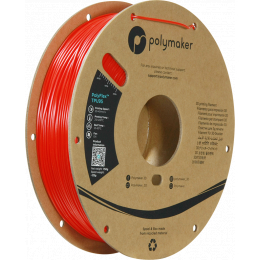
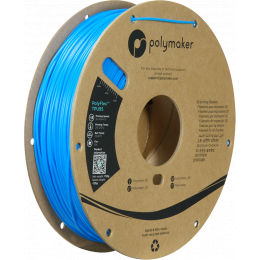
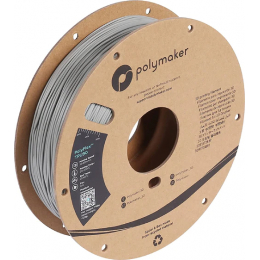
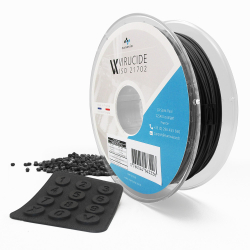
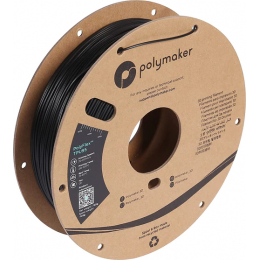
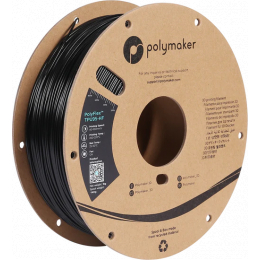
The use of this flexible material enables a wide range of applications such as guiding elements, bumpers, conveyors, protections, casings, pads… The interest of this material lies not only in its flexibility and impact resistance but also in its non-abrasive and non-marking properties. Frequently used as an interface or end cap during the assembly of 3D printed parts. These TPU filaments, with proper settings, maintain effective and relatively long-lasting sealing.
Expressed in terms of Shore hardness, these scales indicate the level of flexibility of these filaments in their raw form — as rolls, wires, or spools. By adjusting the density settings, you can vary the actual hardness and elasticity level to achieve the desired result.
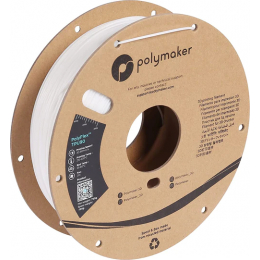
TPU (Thermoplastic Polyurethane) filaments belong to the thermoplastic elastomers (TPE) family. They are categorized as flexible, low-hardness, and highly elastic materials. TPU filaments are the most common 3D filaments used in 3D printing when looking for flexibility. Especially suited for FDM technology, they offer excellent mechanical and thermal properties.
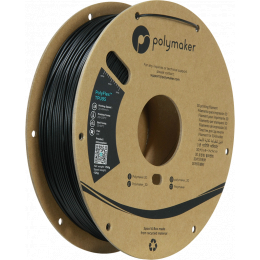
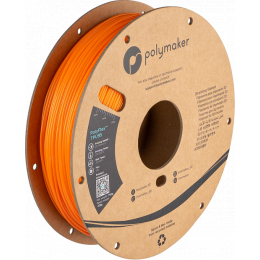
TPC (Thermoplastic Copolyester) filaments fall under the flexible filaments category. They are quite similar to TPU but generally feature lower hardness and greater elasticity. The key benefit of TPC flexible filaments is their higher impact resistance compared to the more fragile inter-layer bonding of TPU. TPC filaments are recommended for maximum flexibility, durability, and impact resistance.
Selecting your TPU should be based on your needs and the technical limitations of your printer. Two critical aspects to consider when choosing a TPU filament: Shore hardness and elasticity, and the required bed heating temperature. For the first, it is essential to distinguish between the two types of FDM 3D printers: direct drive or Bowden. These terms describe how the filament is fed — either pulled directly from the print head or pushed through a tube. It is generally advised not to go below 95 A Shore hardness on Bowden setups (except for 2.85 mm like Ultimaker). Direct drive printers, however, can handle much softer grades.
Likewise, depending on the grade of your TPU material, the bed adhesion temperature may vary. For hobbyist printers, it's best to choose filament spools that are less demanding in this aspect.
Your choice of TPC filament should consider several factors: the filament diameter your 3D printer uses and its extrusion system (direct drive or Bowden).
The idea is that handling a flexible filament through the extrusion system is less straightforward than with rigid filaments. You should choose your TPC filament based on your machine configuration and its limitations.
Indeed, the Shore hardness values shown on your TPC flexible filament spools indicate the hardness level and, more generally, the flexibility of your 3D printing material. The lower the value, the more flexible (and challenging) the filament. Prefer materials around 60D / 95A for more sensitive applications to ensure reliable printing.
Whether you choose TPU, TPE, or TPC filament, you’ll be able to print parts with high impact resistance. Since this material is flexible, it absorbs shocks better and resists deformation more effectively.
Buying TPU filament is also a great choice when designing and producing 3D parts that require grip or a soft, rubbery feel to the touch.