- 👨🔧 Premium After-sale service
- Free delivery from €39.90
- Return under 14 days
- Customer service
-



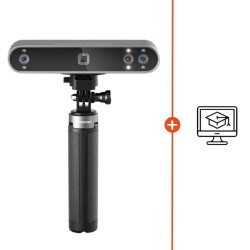
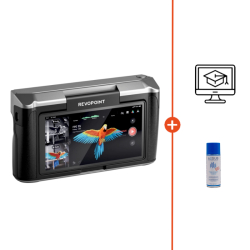
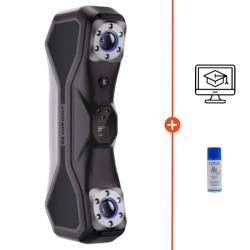
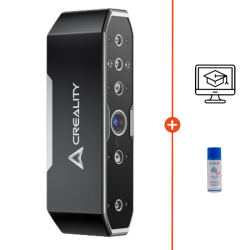


- 🎯 Services dedicated to professionals
- 📦 Stock in Europe
- 🚚 Ships within 24 hours
- 🔐 Secure payments
- 🔙 14-day return
Composite filaments
- Eco-friendly
- Made In France
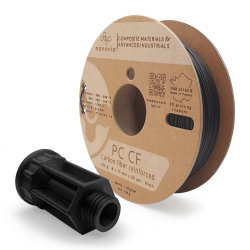
- Made In France
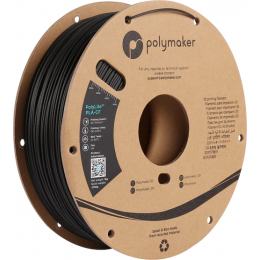
- Eco-friendly
- Made In France
- Made In France
- -30%
- -30%
- -30%
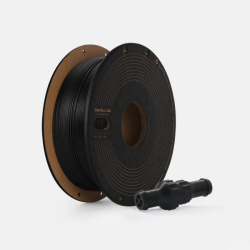
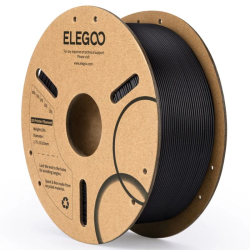
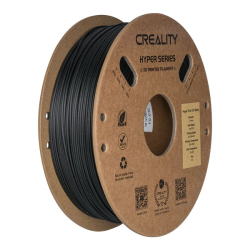
- -20%
- -30%
- -30%
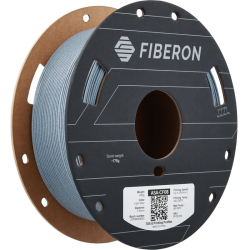
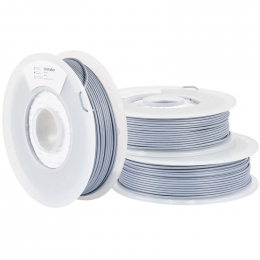
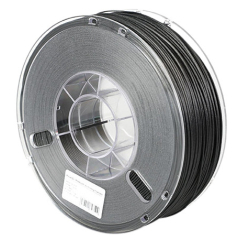
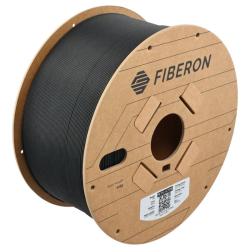
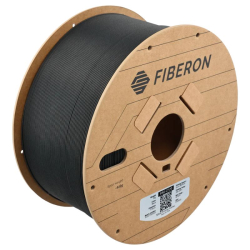
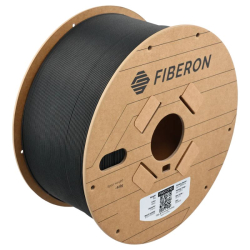
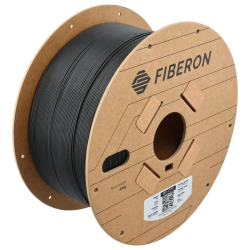
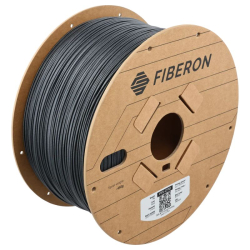
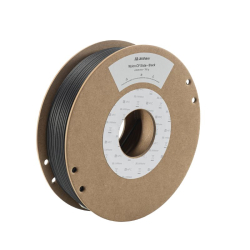
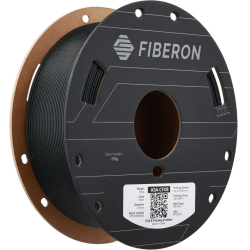
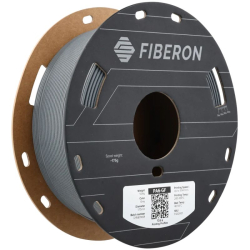
Polymaker Fiberon™ ASA-CF08 Light Grey - 1,75mm - 500g
- -30%
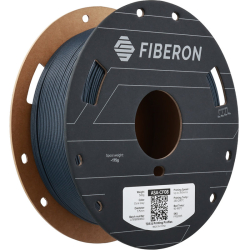
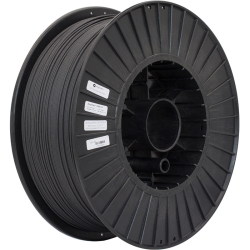
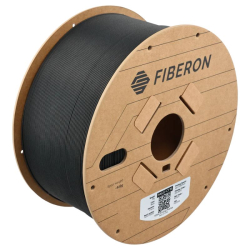
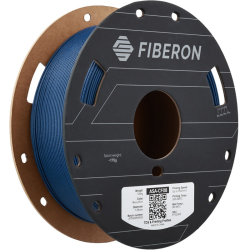
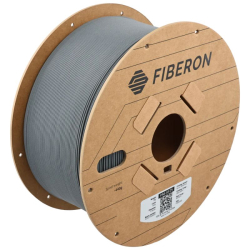
Polymaker Fiberon™ ASA-CF08 Dark Grey - 1,75mm - 500g
- -30%
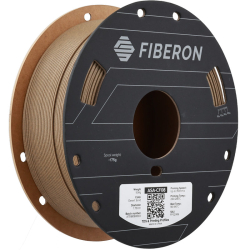
- -30%
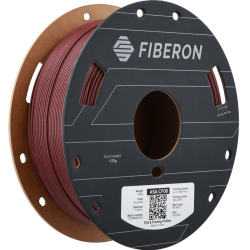
- -30%
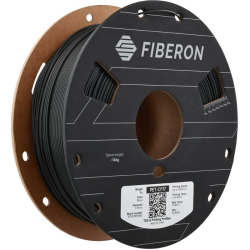
- -30%
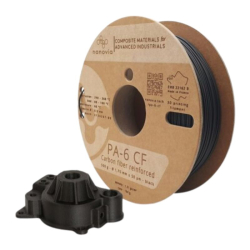
- -30%
- -20%

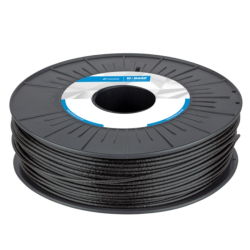
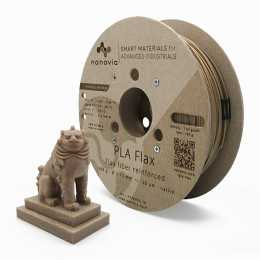
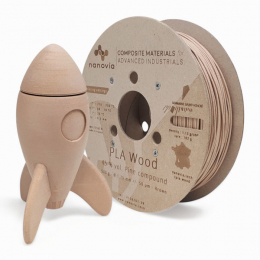
Composite filaments
What is a composite filament in 3D printing?
Composite filament is an increasingly popular material in the field of 3D printing, particularly for its improved mechanical performance.
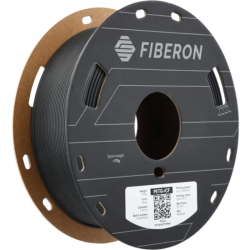
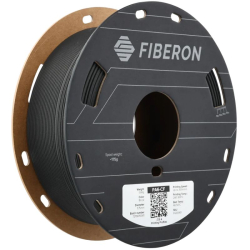
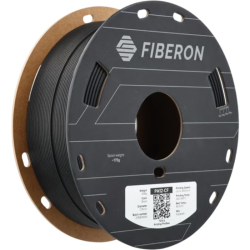
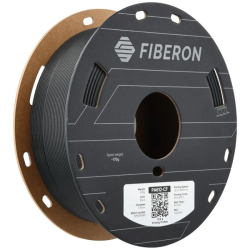
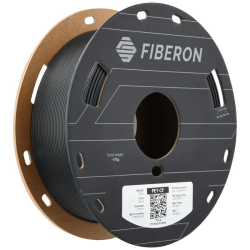
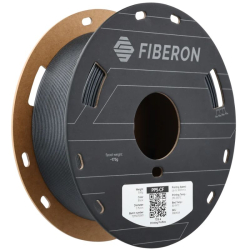
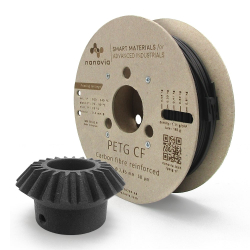
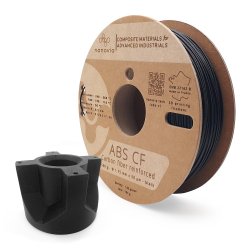
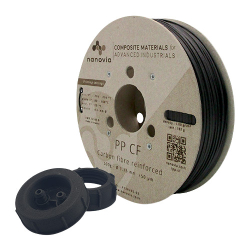
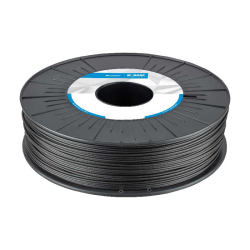
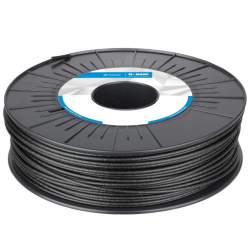
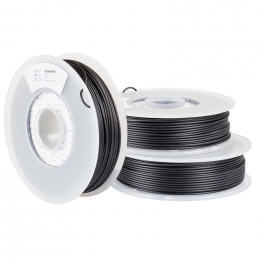
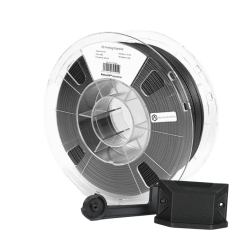
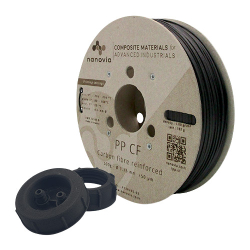
Made of a polymer matrix (usually PETG or nylon) and added fibers such as carbon, glass or even wood, it combines the printability of thermoplastics with the strength of technical materials. This type of filament is an excellent alternative to traditional industrial materials.
The technical advantages of composite filaments
One of the main benefits of composite filament is its high resistance to tension, bending and heat. It is therefore ideal for manufacturing functional parts, technical prototypes, or components subjected to significant stress.
Moreover, some composites offer a unique aesthetic finish, making them suitable for both technical and visual applications.
Tips for printing with composite filament
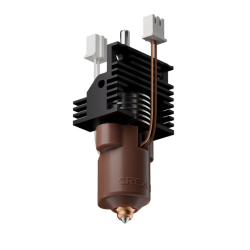
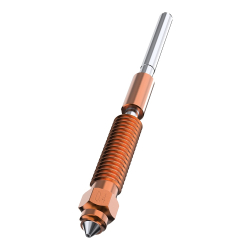
However, printing with composite filament requires proper preparation. Due to the presence of abrasive fibers, using a reinforced nozzle (such as hardened steel or ruby) is highly recommended to prevent premature wear of the equipment.
It is also advisable to use a well-ventilated 3D printer and, in some cases, a heated bed to ensure better adhesion.
The choice of composite filament depends on the final use: carbon fiber for lightness and rigidity, glass fiber for impact resistance, or metallic powder for a realistic look. Whatever the combination, these materials push the limits of additive manufacturing by offering a high-performance, aesthetic and durable solution.