

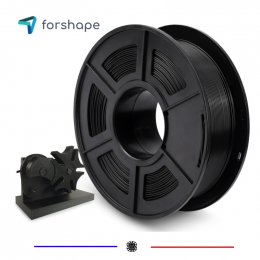
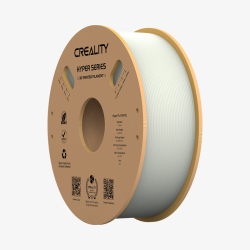
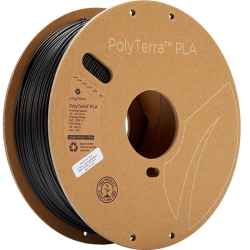



The ASA filament holds a special place in additive manufacturing. Similar in composition to ABS filament, it stands out mainly for its UV resistance, weather resistance, and durability.
This material is valued for its stability and strength. It is well suited for technical parts or those intended for long-term outdoor use. It offers good rigidity while maintaining its properties over time.
This article covers the key points: the material’s characteristics, usage conditions, and settings to achieve clean and consistent results.
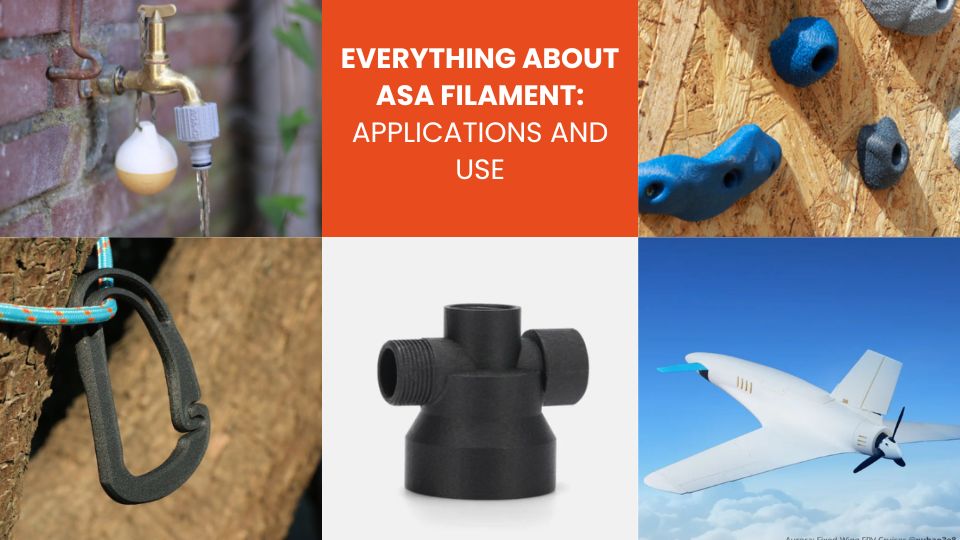
Technical Properties and Advantages
The ASA filament offers a good balance between rigidity, chemical resistance, and durability. This combination comes from its composition, a blend of acrylonitrile, styrene, and acrylate. The material is designed to withstand outdoor conditions without deteriorating over time.
- UV Resistance: ASA retains its color and mechanical properties even after prolonged sun exposure, making it a reliable choice for outdoor use.
- High Dimensional Stability: shrinkage is minimal, ensuring accuracy for large parts and assemblies.
- Solid Mechanical Strength: printed parts exhibit rigidity comparable to standard industrial materials.
- Water and Chemical Resistance: it tolerates moisture, oils, and several light solvents well.
- Uniform Finish: smooth and consistent surface, with a matte or satin finish depending on the chosen settings.
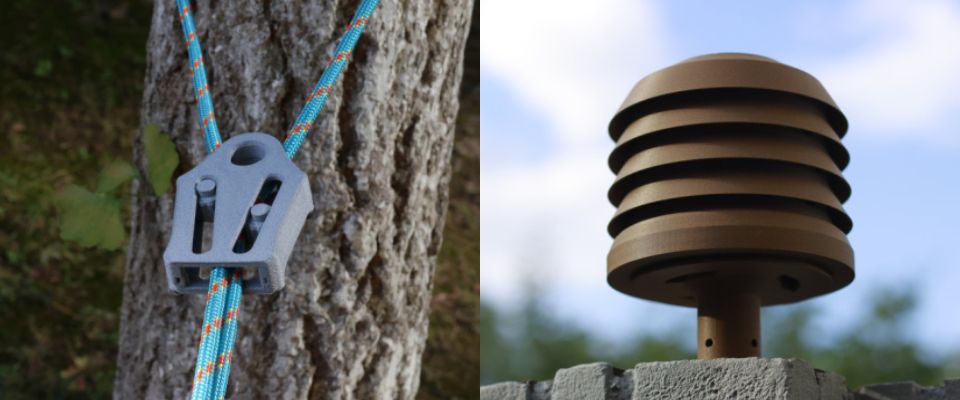
These characteristics make it suitable for functional parts exposed to the elements: enclosures, urban furniture components, automotive accessories, or outdoor technical equipment.
Applications and Advanced Tips
Thanks to its combination of mechanical strength and environmental stability, ASA is used across many industrial and technical sectors.
- Automotive: brackets, covers, fasteners, or grilles exposed to heat and sunlight.
- Urban Infrastructure: electrical enclosures, caps, signage, and protective outdoor elements.
- Functional Prototyping: rapid production of parts for mechanical or stress testing.
- Marine and Sports Equipment: components exposed to water, wind, and wide temperature variations.
For projects exposed to demanding conditions, choosing appropriate infill and density is important. Internal structures must balance rigidity and lightness while minimizing weak points. In some cases, a protective coating or surface treatment can further extend the material’s lifespan.
Fiber Reinforced Materials
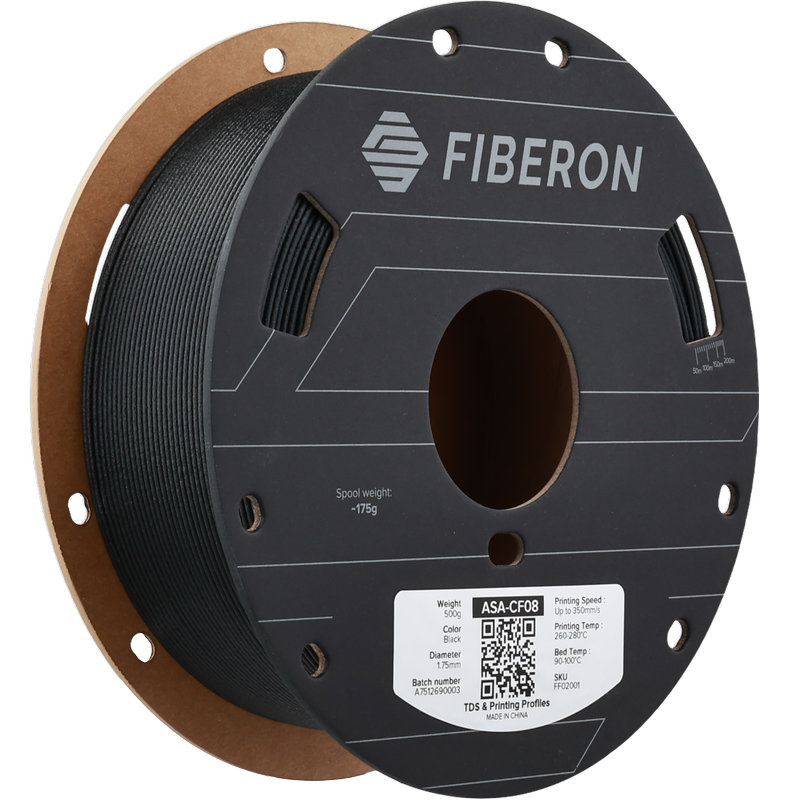
The fiber-reinforced ASA filament (like the Fiberon range) combines the benefits of the ASA matrix with enhanced performance from technical fibers (usually carbon or glass). This reinforcement significantly improves rigidity, dimensional stability, and thermal resistance.
ASA Filament Usage Parameters
Preparation and Environment
ASA is easy to work with, provided certain precautions are taken. A stable temperature and good bed adhesion are essential to prevent warping.
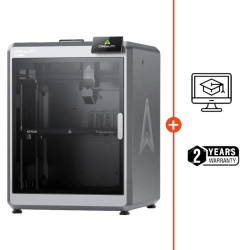
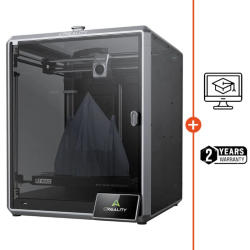
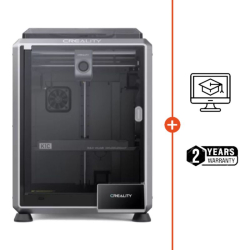
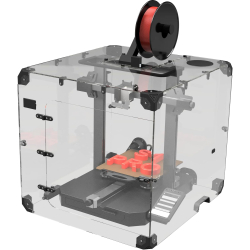
- Enclosed chamber: stabilizes temperature and reduces warping.
- Heated bed: between 90 °C and 110 °C for a well-adhered first layer.
- Proper adhesion surface: PEI, BuildTak, or glue stick ensure effective fixation.
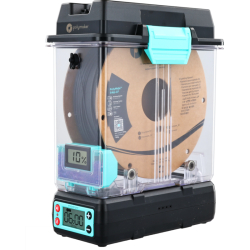
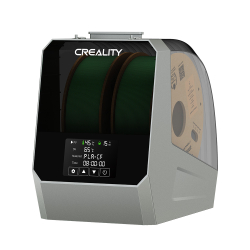
- Pre-drying: 60 °C for 4–6 hours to remove moisture and avoid bubbles.
Proper bed leveling and a low-draft environment help achieve optimal layer deposition. These measures minimize thermal fluctuations and ensure better layer bonding.
Recommended Settings
ASA performance largely depends on proper parameter tuning. It handles moderate speeds well and requires limited cooling.
- Nozzle temperature: between 240 °C and 260 °C depending on color and brand.
- Print speed: 40–90 mm/s for uniform layer fusion. Some brands allow higher speeds (up to 250 mm/s).
- Minimal cooling: ideally off or below 20 % to prevent cracking.
- Layer height: around 0.2 mm for a balance between quality and strength.
- Retraction: adjusted carefully to limit stringing without creating gaps.
With these settings, ASA produces precise parts with clean surfaces and excellent layer adhesion. Large prints are well managed thanks to its dimensional stability.
Post-Processing and Finishing
Printed parts can be further processed to enhance appearance or performance. ASA responds well to standard finishing techniques.
- Sanding: to smooth surfaces and remove layer lines.
- Chemical treatment: some solvents provide a shiny, smooth finish similar to molded parts.
- Painting: compatible with acrylic and polyurethane paints after light sanding.
- Assembly: possible using epoxy or cyanoacrylate adhesives.
ASA can also be combined with other materials to create functional assemblies without losing strength.
Conclusion
The ASA filament offers an excellent balance of strength, stability, and environmental resistance. Easy to use for experienced users, it outperforms ABS in many areas, particularly UV resistance and outdoor durability. Compatible with most machines equipped with a heated bed and enclosed chamber, it is suitable for both prototypes and long-lasting functional parts.
By applying proper settings and careful preparation, it is possible to achieve consistent, precise, and aesthetic results. ASA proves to be a reliable choice for anyone seeking durable and high-performance material in additive manufacturing.
✅ Why Choose Polyfab3D?
Premium Support and After-Sales Service: Starting from your needs, we will guide you to the most suitable solution and provide long-term support for its implementation and daily use.
Official Reseller: Polyfab3D is a certified reseller of top brands, ensuring you get official products, exclusive access to the latest innovations, and priority technical support.
Fast Delivery and Customer Satisfaction: Polyfab3D is committed to providing you with an optimal and fast experience. Positive feedback from our customers rewards us and proves the reliability and efficiency of our service.
Contact us now for a personalized recommendation tailored to your needs, budget, and ambitions.