

















- Pre-order
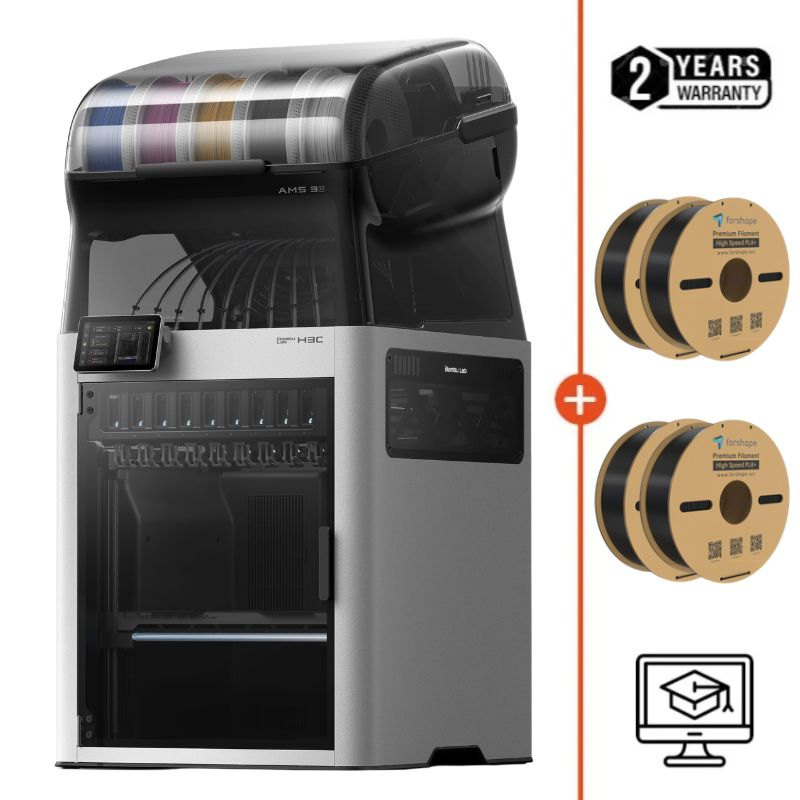
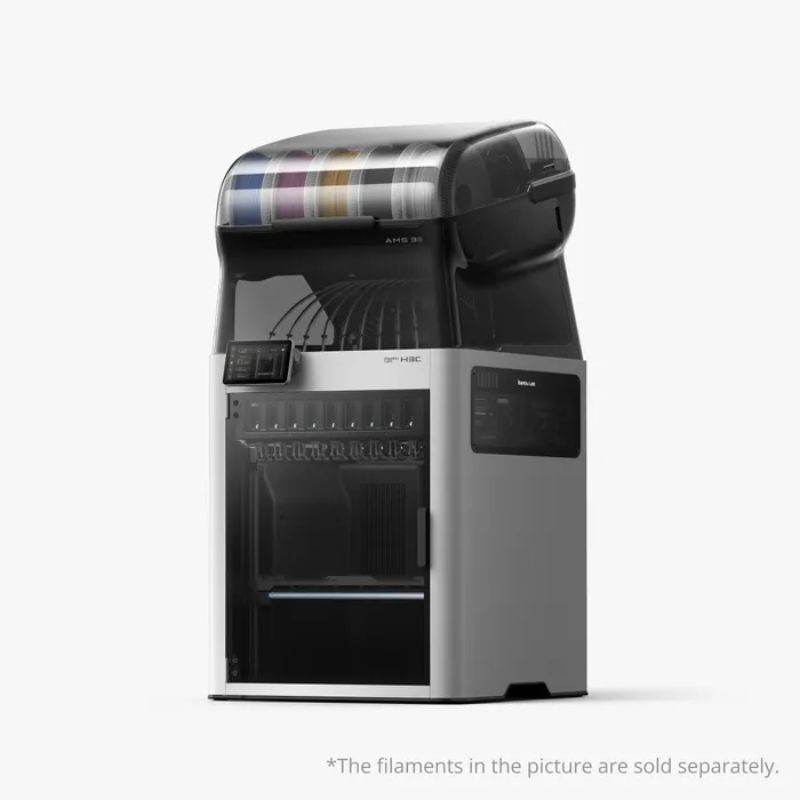
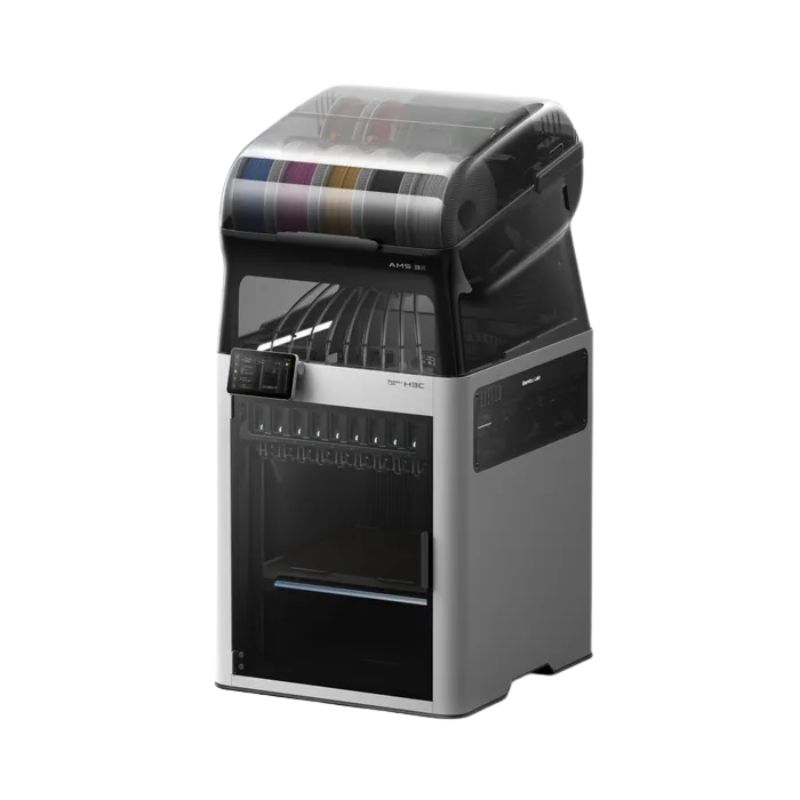
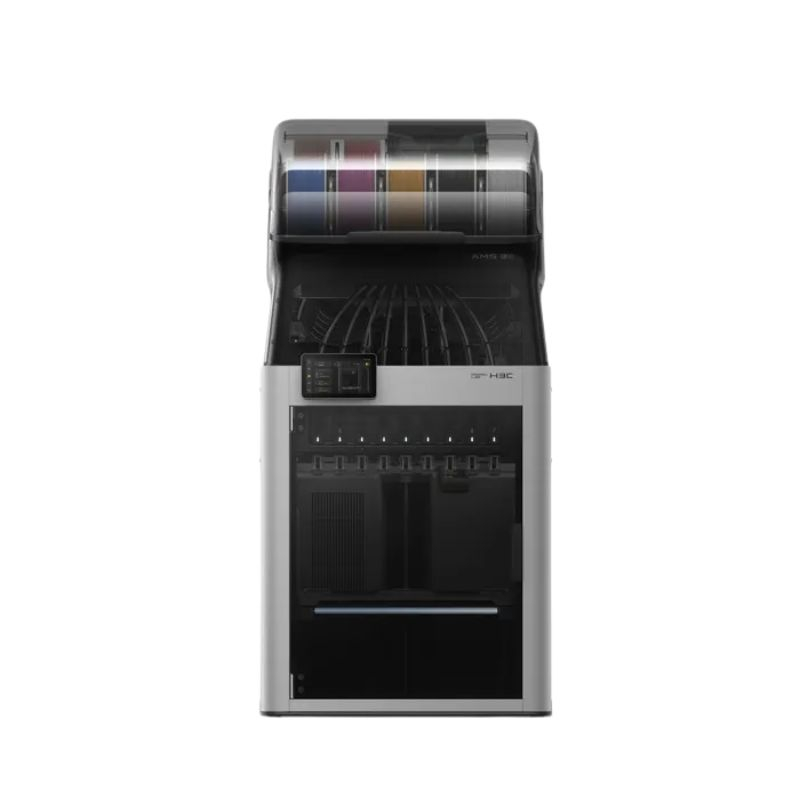
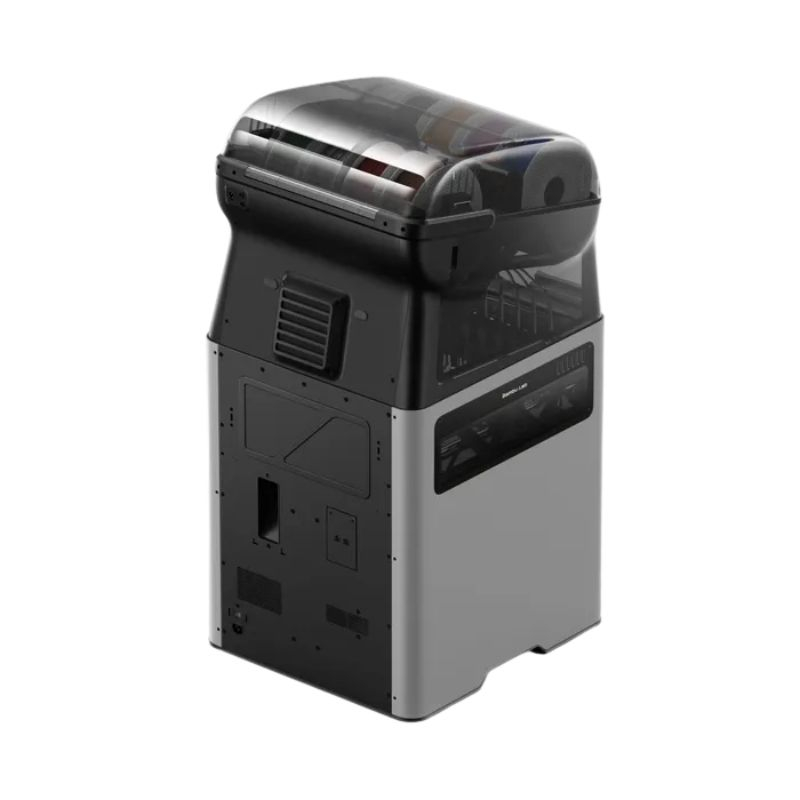
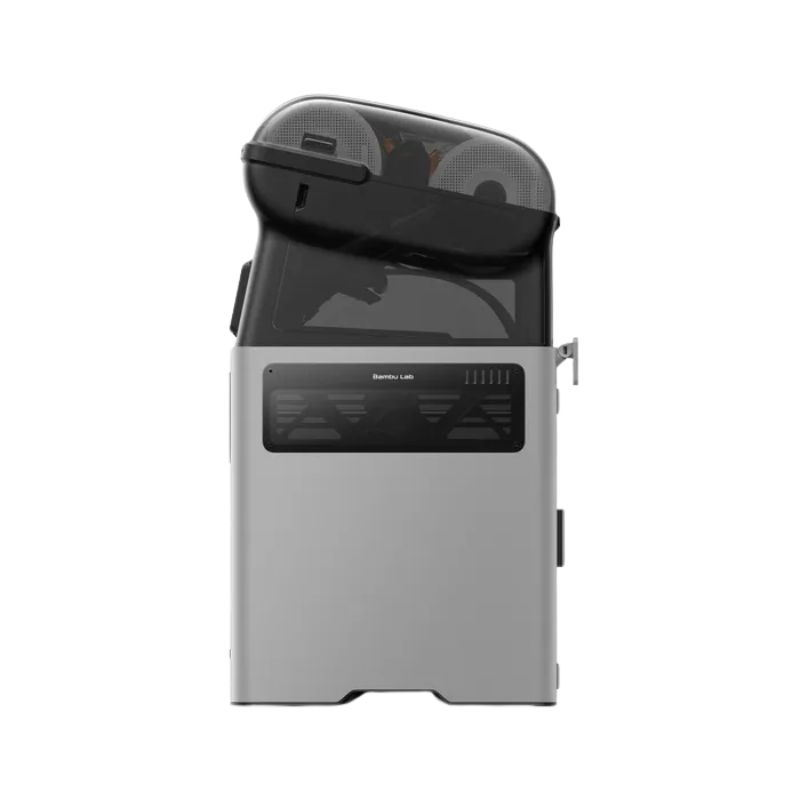
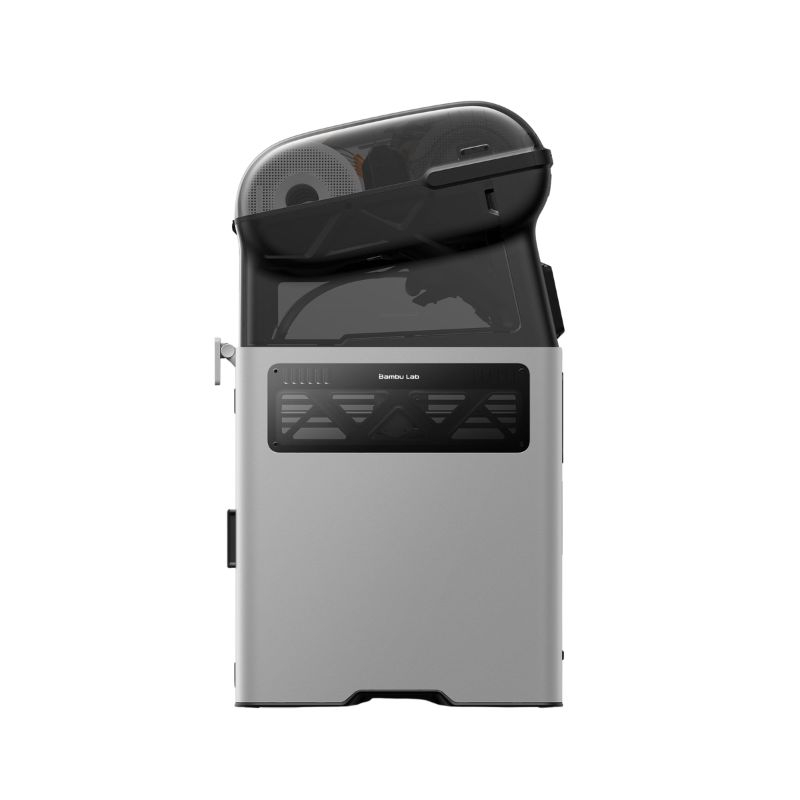


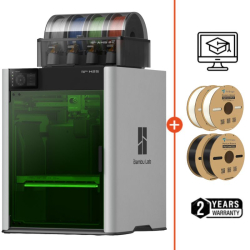
The Bambu Lab H3C marks a new milestone in multi-material 3D printing. Featuring the revolutionary SwapTek system with 9 independent printheads, it redefines multi-material printing by reducing purging and tool change times.
Combined with FlexFeed technology, support for multiple filament diameters and the integrated AMS 3H, it offers remarkable versatility.
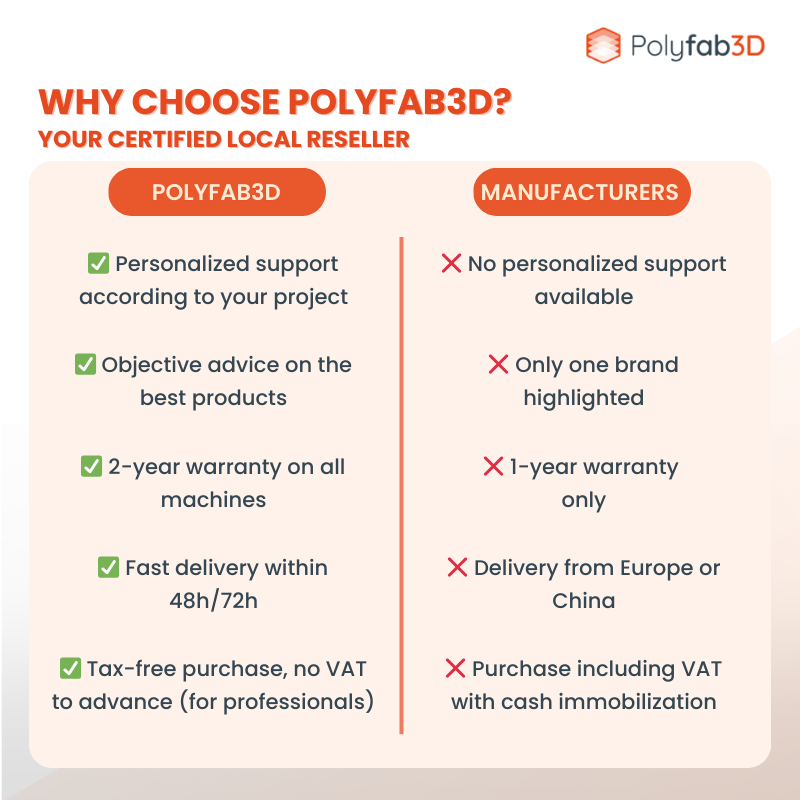
✨ Exclusive: With every purchase, we offer a 2-year warranty (including for professionals) to help you get the most out of your equipment.
 Our experts are at your service to answer your questions and provide advice at info@polyfab3d.com.
Delivery within 48/72 hours
Order before 1pm. Same day shipping
Free delivery
Free delivery near you from €69.90
Premium support
Our teams are on hand to answer all your questions
Over 3500 products
A wide choice of products from the biggest brands
The Bambu Lab H3C is the latest machine in Bambu Lab's H Series, pushing the boundaries of multi-material 3D printing. Its SwapTek™ system with nine independent PrintTools allows different filaments, colours and nozzle diameters to be combined in a single print, without repeatedly loading materials. It also features the FlexFeed system, which handles 1.75 and 2.85 mm filaments, as well as an AMS 3H that automatically manages material storage, drying and feeding.
With a 330 × 320 × 325 mm build volume, nozzles reaching up to 350°C and a heated chamber up to 65°C, the H3C is designed to work with a wide range of materials, including technical and flexible filaments. Automatic calibration, AI-powered monitoring and integrated filament management complete an architecture designed to automate complex prints.
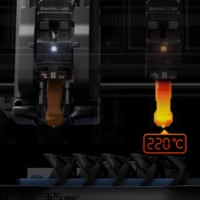
The SwapTek™ system features nine independent PrintTools, each keeping its own filament loaded and nozzle preheated so it is ready to use immediately.
Material changes take just 6 seconds, while tool changes are specified at 3.4 seconds under the stated operating conditions. All this is achieved with a minimum purge of 38 mg.

The FlexFeed system supports 1.75 and 2.85 mm filaments, with a mechanism that allows users to switch between the two diameters directly during operation.
When used with 2.85 mm 75A TPU, it delivers up to three times the volumetric flow rate of a previous-generation machine, according to the manufacturer's comparative tests.

With five PrintTools dedicated to CMYKW PLA Palette filaments, the H3C can produce multicolour prints by mixing colours directly during the printing process.
The four remaining tools can accommodate different materials, such as water-soluble PVA, Silk PLA or Wood PLA, combining colours and textures in a single project.

The H3C can use several nozzle diameters simultaneously: 0.2 mm for fine details, 0.4 mm for larger sections and a dedicated nozzle for flexible TPU.
Bambu Studio's toolpath algorithm adjusts layer heights to suit each diameter. Additional hotends are required for this setup and are sold separately.
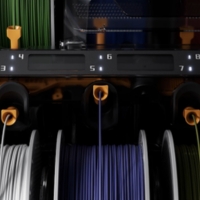
Integrated into the H3C, the AMS 3H features nine slots for different filaments and automatically feeds the corresponding PrintTools.
It detects the inserted filament, transports it and feeds it into the appropriate filament path. Material changes can therefore take place without manual handling every time the printer is used.
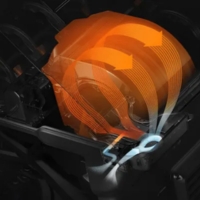
The AMS 3H incorporates a dual high-temperature drying system occupying two dedicated slots. It can dry filaments on demand or during certain printing jobs.
Drying temperatures reach 85°C, with support for materials such as PA, PC and carbon-fibre-reinforced filaments.
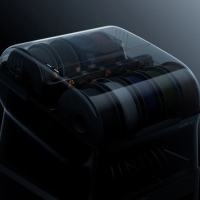
Filament storage and feeding are integrated into the H3C enclosure. This design avoids the need for multiple suspended spools and external dryers.
Previous-generation AMS units can also be connected via PrintTool No. 1, expanding capacity to up to 24 spools (additional units sold separately).
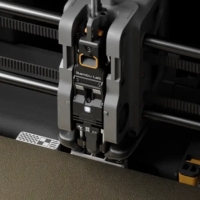
The toolhead and X-axis assembly are 40% lighter than those of the H2D, reducing moving mass and inertia.
The machine reaches a specified acceleration of 25,000 mm/s² and a travel speed of 1,400 mm/s, with an average print time claimed to be 10% shorter.
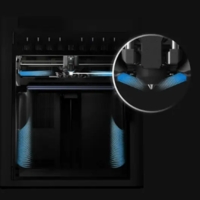
The H3C features four levels of cooling, combining a part cooling fan, two auxiliary fans, dedicated PrintTool cooling and a chamber fan.
This architecture is designed to improve the cooling of overhangs and bridges while maintaining suitable temperatures for the different toolheads during tool changes.
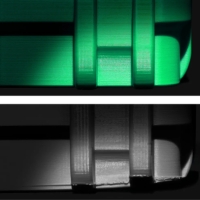
Each of the nine PrintTools is equipped with a hardened steel nozzle, with a maximum specified temperature of 350°C for processing high-temperature polymers.
The extruder gears are also made of hardened steel. This configuration is designed for use with materials such as ABS, PC, PA-CF and PET-CF.

Its two-zone active heating system can maintain the chamber at up to 65°C, helping to better control material shrinkage during printing.
This thermal management system complements the high-temperature nozzles and is designed to reduce the risk of warping and interlayer delamination when using technical filaments.
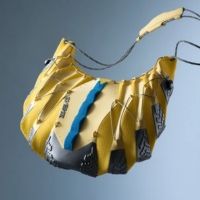
The Bambu Lab H3C offers a 330 × 320 × 325 mm build volume, suitable for producing parts of various sizes and multi-material projects.
Its enclosed design houses the entire feeding system and all nine PrintTools. The printer measures 493 × 571 × 587 mm and weighs 36.28 kg with the AMS 3H.
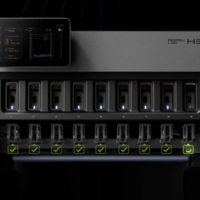
Before each print, the H3C automatically performs tool alignment, offset compensation and bed levelling to prepare the first layer.
This automated process handles the adjustments needed to maintain colour and material continuity, without requiring these operations to be performed manually every time the configuration changes.
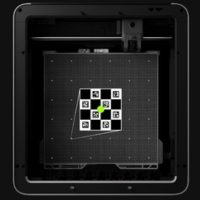
Available as an option, the Vision Encoder uses an absolute optical reference to recalibrate movement accuracy throughout the build volume.
It is designed to compensate for mechanical drift caused by wear and maintain movement accuracy below 50 μm. This additional module is sold separately.

The vision systems monitor the machine before printing starts and throughout the print. They notably check the chamber configuration against the slicer settings.
AI also monitors spaghetti defects, purge chute blockages and clogged nozzles. The optional BirdsEye camera extends monitoring coverage.
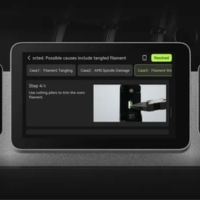
The HMS system analyses errors to identify their possible causes, classify them and explain what they mean in clear language.
With MiniWiki, the H3C displays step-by-step troubleshooting instructions directly on its screen. Less common error codes link to the Bambu Wiki for further details.
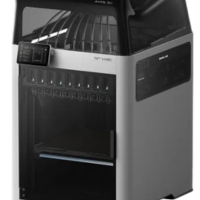
The H3C is built around a steel chassis, combined with a plastic outer frame and an enclosed structure housing the nine tools and the AMS 3H system.
This design brings the machine's main components together in a unit measuring 493 × 571 × 587 mm, without requiring external racks for filament storage.
The H3C is part of the Bambu Lab ecosystem, with Bambu Studio as its print preparation software. It includes a toolpath planning algorithm specifically adapted to mixing nozzle diameters, allowing users to make the most of the different PrintTools within a single project.
Pairing the printer with the AMS 3H simplifies material management, while the HMS and MiniWiki systems make it easier to diagnose issues directly from the machine's screen.
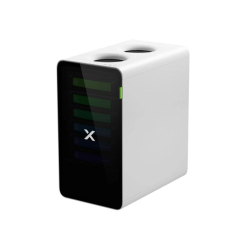
The ecosystem can also be expanded with additional accessories and tools: the Bambu L Station, E1 air purifier, CutTool, DrawTool and DebossTool. This approach brings several manufacturing steps together and allows the machine's capabilities to evolve according to the equipment added.
The Bambu Lab H3C stands out above all for an architecture that goes far beyond simple colour changes. Its nine independent PrintTools open up genuine possibilities for multi-material manufacturing, particularly when combining rigid and flexible materials or using different nozzle sizes in a single print. The FlexFeed system and support for 75A TPU are also interesting technical advantages, as is the integration of the AMS 3H and its active drying system.
However, this wealth of features makes it important to define your needs carefully before choosing this machine. Users who regularly work with several materials, flexible filaments and complex assemblies will be able to make the most of its architecture. For conventional single-material prints, on the other hand, the nine tools and advanced functions may not be fully utilised. The H3C is therefore primarily aimed at users looking for a genuine, automated and upgradeable multi-material printing environment.
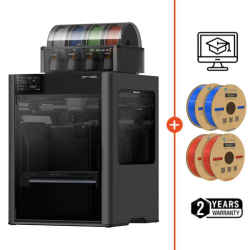
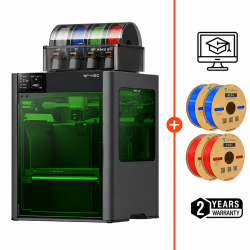
Order contents
Specifications for Bambu Lab H3C Combo
Technology / Product
Extrusion
Heated bed
Specific equipment
Software
Installation / Prerequisites
Aucun avis ne correspond à votre recherche.
Aucune question publiée pour ce produit.
Vous ne trouvez pas la réponse à votre question ?