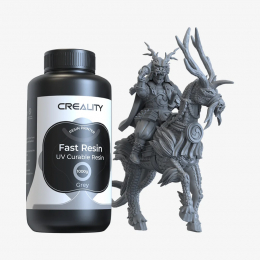
Resins for 3D printers
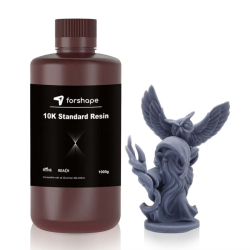
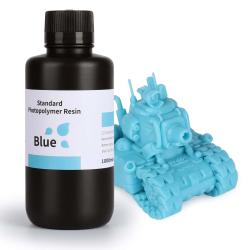
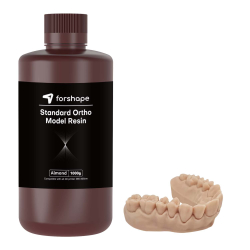
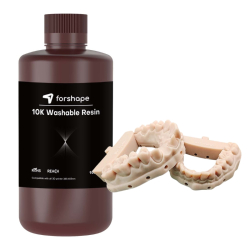
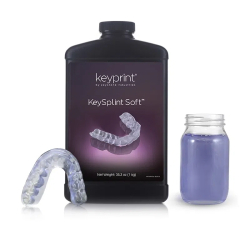
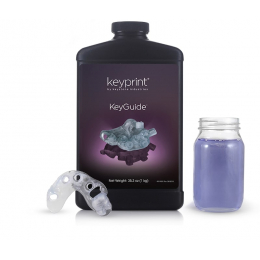
3D resins for SLA and DLP 3D printers are liquid photopolymers that cure under UV light. These materials are used in SLA or DLP 3D printing to produce parts with high detail and a smooth surface finish. The photosensitive resin hardens layer by layer using a laser (SLA) or light source (LED or LCD), creating a solid model.
With smart filters, choosing your 3D resin is made easier, helping you find the material suited to your budget and needs.
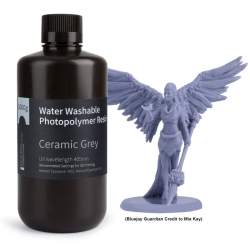
From standard resins available in various colors to water-washable resins and high-performance resins that replicate ABS-like properties, our guide will help you make the right choice.
How to choose my resin?
Choosing your 3D resin depends on several criteria, including your specific needs and the required mechanical properties.
For visual prototyping, a standard resin will be sufficient, whether you use an LCD or SLA printer. Be careful, this is a crucial point: resins made for SLA printers are not or only slightly compatible with LCD printers, and vice versa. However, most LCD resins are compatible with all printers using the same technology, typically open to third-party brands and using LCD screens that cure the resin in the 215–405nm range.
Depending on your final application, the 3D printing material must meet different needs, constraints, and requirements: mechanical strength, chemical resistance, heat resistance, visual appearance, flexibility, ease of use, etc. are all factors to consider.