






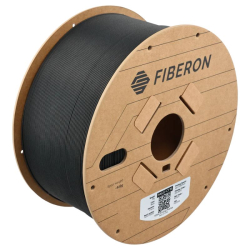
- -30%
- 👨🔧 Premium After-sale service
- Free delivery from €39.90
- Return under 14 days
- Customer service
-
- 🎯 Services dedicated to professionals
- 📦 Stock in Europe
- 🚚 Ships within 24 hours
- 🔐 Secure payments
- 🔙 14-day return
High-temperature resistant 3D filaments
Showing 61-90 of 149 item(s)
Active filters
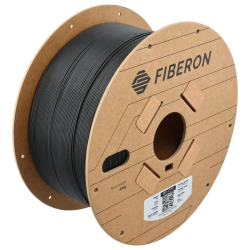
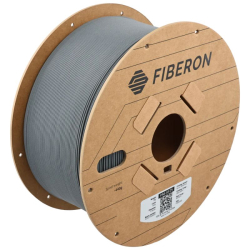
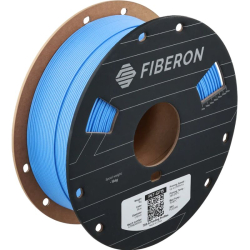
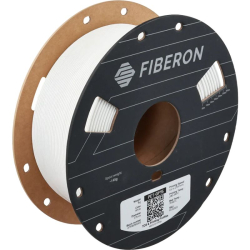
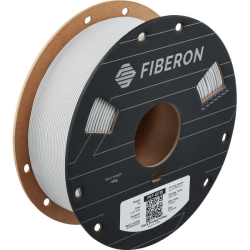
- -30%
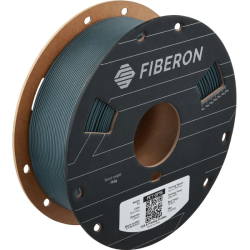
- -30%
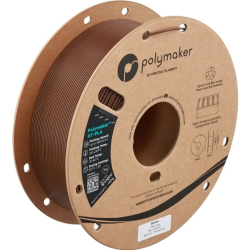
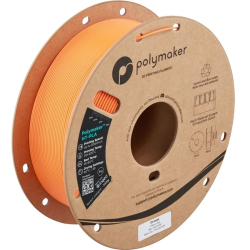
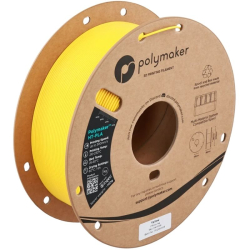
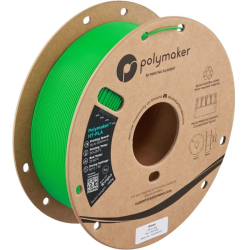
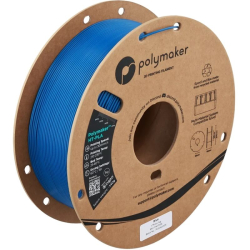
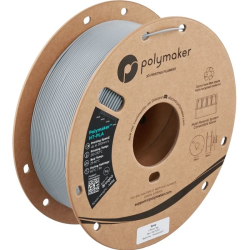
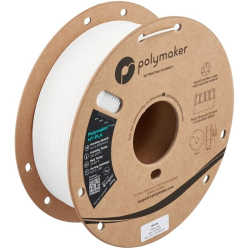
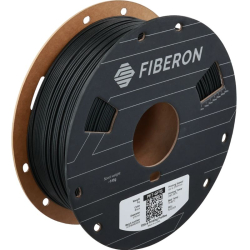
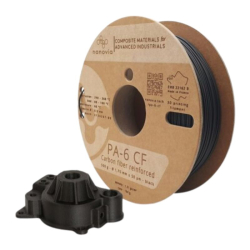
High-temperature resistant 3D filaments
The filaments in this category are called high temperature resistant because they have better thermal resistance than their traditional counterparts.
Most thermoplastics have temperature resistance limits under load below 75°C. For certain types of materials, such as ABS or PC (Polycarbonate), they naturally have better thermal resistance properties, at 90 and 110°C respectively.
In this category, we have grouped filaments offering resistance above 100°C, but we have also included PETG HT filaments (PETG modified to achieve higher thermal resistance, around 90°C).
Our material selection aims to meet your temperature requirements. The best performing filaments at this level are filled PA6 (resistance up to 215°C). Excluding these composite materials, some nylon grades like Polymaker Copa are excellent in this regard. For very demanding applications, PPS-CF10 Fiberon offers resistance to temperatures above 250°C.
Accessible high temperature filament
Recently, PETG HT or ABS versions (which withstand high temperatures up to 95°C) have been complemented by a new indirect crystallization PLA proposal.
High temperature resistance is not easy to categorize; here, we have tried to highlight our selection of 3D filaments with good or better temperature resistance properties than traditional plastics.
To learn more about the behavior of your plastics, various information can be provided. It is important to distinguish between resistance under load and glass transition temperature (or VICAT). These indicate the temperature or range at which the material changes state, not its actual resistance.
How to choose your high temperature filament?
Using a filament with good thermal resistance is generally necessary for mechanical applications under real conditions or for thermoforming or sterilization needs.
Using high temperature plastic cannot compete with metals; at best, desktop FDM plastics will resist temperatures up to 200°C or even 250°C for a very specific composite version.
Which temperature resistant filament should you use?
Depending on the limits of your 3D printer, sometimes it is necessary to prioritize filaments that can be thermally post-processed. If you have a professional printer, you will have access to more possibilities and performance.